

In today’s rapidly evolving digital landscape, enterprises face an ever-increasing array of cyber threats that can compromise sensitive data and disrupt operations. Kaspersky Endpoint Security emerges as a robust, enterprise-grade protection platform engineered to safeguard endpoints—including desktops, laptops, servers, and mobile devices—from sophisticated malware, ransomware, and targeted attacks. This advanced solution goes beyond traditional antivirus measures by incorporating multilayered defenses, intelligent threat detection, and centralized administration tools. Organizations worldwide trust it to maintain operational continuity while securing critical assets. Explore the depths of this powerful security suite and discover why it stands out as a preferred choice for modern businesses.
Understanding Kaspersky Endpoint Security
Kaspersky Endpoint Security represents a comprehensive cybersecurity framework developed by Kaspersky, a globally recognized leader in threat intelligence and protection technologies. Specifically tailored for organizational environments, it delivers proactive defense across diverse endpoint devices against viruses, trojans, rootkits, zero-day exploits, and advanced persistent threats (APTs).
Unlike consumer-oriented antivirus programs, this enterprise solution integrates cutting-edge capabilities such as behavioral analysis, machine learning-driven detection, exploit prevention, and adaptive anomaly control. These features work in harmony to identify and neutralize threats before they can inflict damage. Additionally, it includes network attack blockers, host-based intrusion prevention, and cloud-assisted intelligence from Kaspersky Security Network (KSN), ensuring real-time updates on emerging risks worldwide.
The platform’s modular architecture allows administrators to customize protection layers according to specific business needs, balancing security strength with system performance. Whether deployed on-premises, in hybrid setups, or via cloud management, it provides seamless scalability for growing enterprises.
Key Features That Set Kaspersky Endpoint Security Apart
Deploying Kaspersky Endpoint Security equips workstations and servers with a suite of sophisticated tools designed to fortify the entire IT infrastructure. The following sections detail its core capabilities and management advantages.
Core Protection Mechanisms
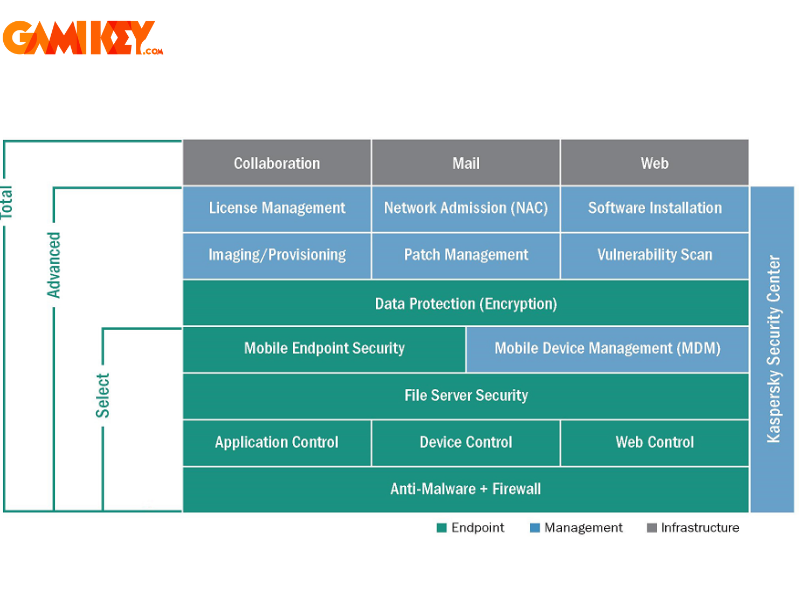
- Next-Generation Antivirus and Anti-Malware: Employs signature-based scanning alongside heuristic analysis and cloud-powered intelligence for instantaneous threat detection and remediation.
- Advanced Firewall and Network Protection: Monitors inbound and outbound traffic, blocks unauthorized connections, and defends against network-based exploits.
- Application Control and Whitelisting: Enforces dynamic policies to permit only trusted applications, preventing execution of unapproved or potentially harmful software.
- Web Control and Safe Browsing: Restricts access to malicious or unproductive websites, categorizing URLs and applying granular filtering rules.
- Device Control Management: Regulates usage of removable media such as USB drives, external hard disks, and Bluetooth devices to prevent data exfiltration or malware introduction.
- Full Disk and File Encryption: Utilizes AES-256 encryption to secure sensitive information, rendering data inaccessible in cases of device loss or theft.
- Vulnerability Assessment and Patch Management: Automatically scans for system weaknesses, prioritizes vulnerabilities, and deploys patches for operating systems and third-party applications.
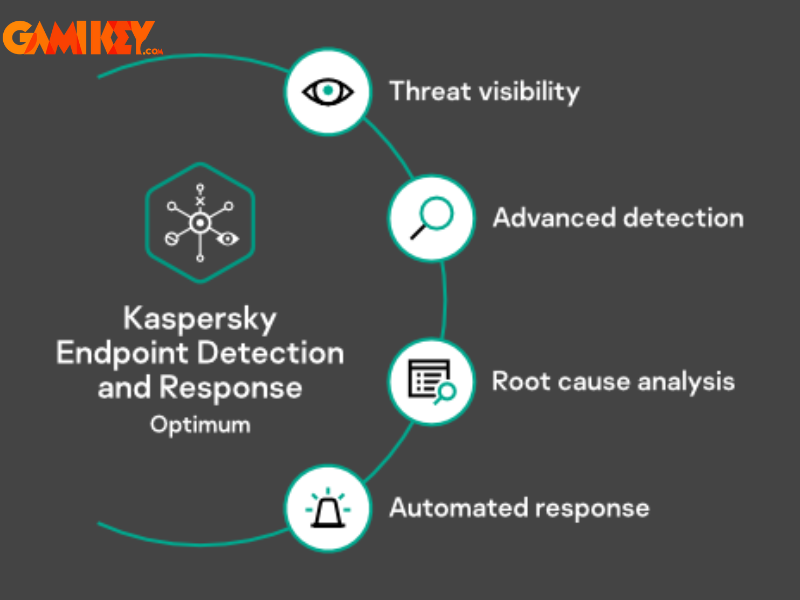
- Exploit Prevention and Behavioral Detection: Blocks memory-based attacks and monitors process behavior to stop fileless malware and scripted threats.
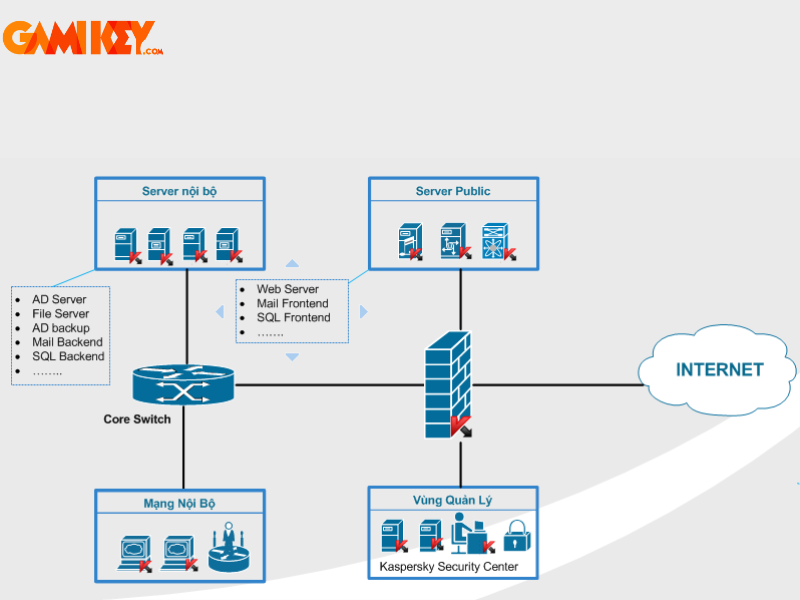
Centralized Administration via Kaspersky Security Center
The true power of Kaspersky Endpoint Security shines through its unified management console, Kaspersky Security Center (KSC). This intuitive platform enables IT teams to oversee thousands of endpoints from a single interface:
- Deploy consistent security policies across the organization with role-based access controls.
- Schedule and automate routine tasks including signature updates, full system scans, and software rollouts.
- Generate comprehensive reports on threat landscape, compliance status, and incident response metrics.
- Integrate with SIEM systems and support remote deployment for distributed workforces.
- Leverage cloud console options for simplified management without dedicated server infrastructure.
Strategic Advantages for Enterprise Deployments
Organizations adopting Kaspersky Endpoint Security gain significant operational and security benefits that extend far beyond basic threat blocking. These advantages contribute to stronger resilience in an era dominated by ransomware-as-a-service and supply chain attacks.
- Multi-Layered Defense Against Evolving Threats: Combines preventive, detective, and responsive technologies to counter fileless attacks, cryptojackers, and living-off-the-land techniques.
- Endpoint and Server Hardening: Implements system configurations that reduce attack surfaces, including default-deny modes and memory protection.
- Minimal Performance Impact: Optimized scanning engines and cloud offloading ensure smooth user experience even during intensive operations.
- Cross-Platform Compatibility: Native support for Windows, macOS, Linux distributions, Android, and iOS devices within a unified policy framework.
- Streamlined Centralized Oversight: Web-based or cloud consoles simplify administration for global teams and managed service providers.
- Enhanced Productivity Controls: Balances security with usability through adaptive web and application policies that align with business workflows.
- Proactive Vulnerability Management: Continuous assessment and automated remediation close exposure windows before exploitation.
- Efficient Software Distribution: Built-in tools accelerate OS migrations, application deployments, and compliance enforcement.
- Robust Data Loss Prevention: Encryption, device controls, and audit trails safeguard intellectual property and regulatory compliance.
- Superior Threat Intelligence Integration: Direct access to Kaspersky’s global research network delivers near-real-time protection updates.
These combined strengths position Kaspersky Endpoint Security as an indispensable asset for organizations prioritizing long-term cybersecurity maturity and operational efficiency.
System Requirements and Deployment Considerations
To achieve optimal performance, Kaspersky Endpoint Security adheres to reasonable hardware specifications that accommodate most contemporary enterprise environments. The table below outlines minimum requirements across supported platforms:
| Device Type | Operating System | Processor | Memory (RAM) | Free Disk Space |
|---|---|---|---|---|
| Server | Microsoft Windows (32-bit) | 1 GHz or higher | 4 GB | 10 GB |
| Microsoft Windows (64-bit) | 1.4 GHz or higher | 4 GB | 10 GB | |
| Workstation | Microsoft Windows (32-bit) | 1 GHz or higher | 1 GB | 4 GB |
| Microsoft Windows (64-bit) | 1.4 GHz or higher | 2 GB | 4 GB | |
| Linux (32-bit) | 1 GHz or higher | 1 GB | 4 GB | |
| Linux (64-bit) | 1.4 GHz or higher | 2 GB | 4 GB | |
| macOS | Intel-based, 1 GHz or higher | 2 GB | 4 GB |
Recommended configurations exceed these minima, particularly for environments with heavy workloads or virtualized servers. Compatibility extends to the latest versions of supported operating systems, with regular updates ensuring continued alignment.
In conclusion, Kaspersky Endpoint Security delivers an integrated, intelligent approach to endpoint protection that empowers organizations to navigate complex threat landscapes confidently. By combining award-winning detection rates, efficient management capabilities, and adaptive controls, it not only mitigates risks but also supports digital transformation initiatives. Enterprises seeking a proven, future-ready security foundation will find this solution exceptionally well-suited to their strategic objectives.