

Millions of learners worldwide have embraced Codecademy as a premier interactive platform for mastering programming skills. Its hands-on methodology transforms abstract concepts into practical abilities, making it an ideal starting point for beginners and a powerful tool for experienced developers seeking to expand their expertise. Covering everything from foundational web technologies to advanced data analysis and software engineering, Codecademy delivers structured, engaging pathways that adapt to individual goals. This comprehensive guide explores the essence of Codecademy, its standout capabilities, practical benefits, and step-by-step instructions for getting started and maximizing your learning experience.
What Exactly Is Codecademy?
Codecademy stands out as an innovative online learning environment dedicated to coding education through direct, in-browser practice. Rather than relying solely on theoretical explanations, the platform immerses users in real-time coding exercises, providing instant feedback that reinforces understanding and accelerates skill acquisition. This interactive approach bridges the gap between learning and application, enabling learners to build functional projects while progressively mastering complex topics.
The curriculum spans a broad spectrum of programming disciplines. Beginners can dive into core web development languages such as HTML for structuring content, CSS for styling interfaces, and JavaScript for adding interactivity. As proficiency grows, learners can explore backend languages like Python—renowned for its readability and versatility—or Java for enterprise-level applications. Database management through SQL, version control with Git, and modern frameworks like React are also extensively covered. Beyond traditional programming, specialized tracks delve into high-demand fields including data science, machine learning fundamentals, cybersecurity basics, and full-stack development.
Central to the platform’s appeal is its career-oriented learning paths. These curated sequences guide users toward specific professional outcomes, whether that’s becoming a front-end web developer, a data analyst capable of extracting insights from large datasets, or a full-stack engineer proficient in both client- and server-side technologies. Each path combines targeted courses, skill-building exercises, and capstone projects designed to produce portfolio-ready work.
Key Features That Set Codecademy Apart
Seamless Cross-Platform Accessibility
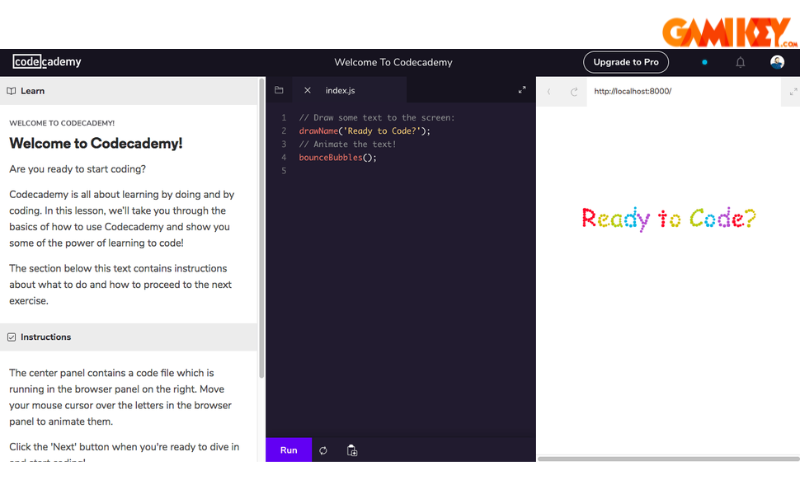
One of Codecademy‘s greatest strengths is its complete browser-based operation. No downloads, installations, or complex setup are required—simply open your preferred browser on any device, from desktop computers running Windows, macOS, or Linux to tablets and laptops. This universal compatibility ensures uninterrupted learning whether you’re at home, commuting, or traveling.
Personalized Learning Pathways
The platform excels at tailoring education to individual aspirations. Upon signup, users can specify goals such as mastering web design, building mobile applications, analyzing business data, or preparing for technical interviews. Codecademy then generates customized roadmaps that sequence courses logically, track progress, and recommend supplementary material to address knowledge gaps.
Exceptional Interactivity and Immediate Feedback
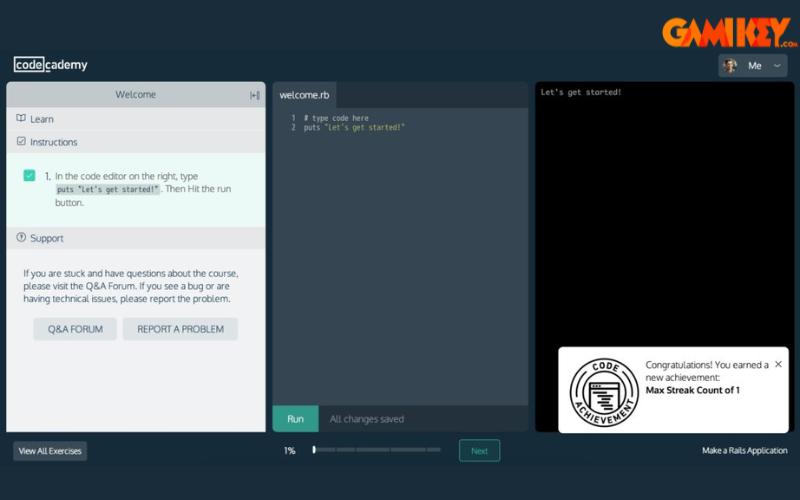
Traditional tutorials often leave learners wondering if their code works correctly. Codecademy eliminates this uncertainty with an integrated code editor that executes submissions instantly, highlights errors with detailed explanations, and offers hints when needed. This real-time loop of write-test-debug mirrors professional development workflows and dramatically improves retention.
Broad Language and Technology Coverage
With dozens of courses spanning more than 15 programming languages and tools, Codecademy accommodates diverse interests. Popular options include Python for automation and AI, JavaScript for dynamic web experiences, SQL for database querying, Ruby for elegant scripting, and Go for cloud-native systems. Emerging topics like command-line proficiency, API integration, and deployment strategies round out the offerings.
Flexible, Self-Paced Structure
Lessons are deliberately concise—typically 5–15 minutes—making it easy to fit learning into busy schedules. Progress syncs across devices, allowing seamless transitions between sessions. Completed modules are clearly marked, and the platform intelligently reviews previously covered material to reinforce long-term memory.
Real-World Project Integration
Especially in the Pro tier, learners tackle authentic projects simulating workplace challenges: constructing responsive portfolios, developing interactive dashboards, creating RESTful APIs, or implementing data visualization tools. These deliverables serve as tangible proof of capability for job applications and interviews.
Professional Certificates and Skill Validation
Upon completing designated paths, users earn verifiable certificates that can be shared on LinkedIn or resumes. Pro members also gain access to skill assessments, quiz banks, and offline project resources, further solidifying expertise and confidence.

Is Codecademy Worth Your Time and Investment?
For anyone serious about entering or advancing in tech, Codecademy consistently ranks among the most effective self-study resources available. Its emphasis on active coding over passive reading produces measurable skill gains far faster than video lectures alone. The intuitive dashboard, clear progression markers, and encouraging tone create a supportive atmosphere that minimizes frustration and dropout rates.
Free tier users enjoy substantial value through introductory courses and basic skill paths, sufficient for testing interest in programming or building foundational knowledge. Upgrading to Pro unlocks unlimited access to advanced content, portfolio projects, peer reviews, and career services—features that often translate directly into employment opportunities.
Compared to alternatives, Codecademy strikes an outstanding balance between depth and accessibility. While some platforms overwhelm with endless videos or lack structure, Codecademy’s bite-sized, interactive format keeps momentum high. Alumni frequently report landing junior developer roles, freelancing gigs, or internal promotions after completing key paths.

Step-by-Step Guide to Creating a Codecademy Account
Getting started on Codecademy takes only minutes and requires no payment information for the free plan.
- Step 1: Navigate to the official Codecademy website using any modern browser.
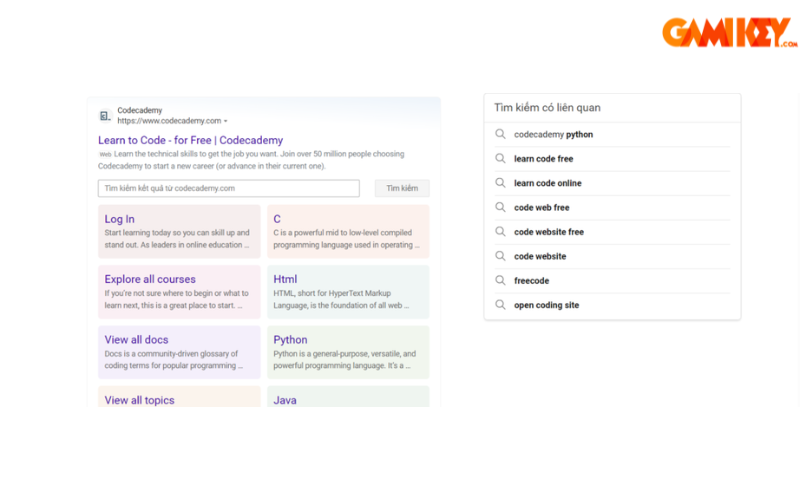
- Step 2: Locate and click the prominent “Sign Up” or “Get Started” button typically found in the header or hero section.

- Step 3: Fill in your full name, a valid email address, and create a secure password. Alternatively, use single-sign-on options via Google or GitHub for faster setup.

- Step 4: Check your inbox for a verification email and click the confirmation link to activate your account.
- Step 5: Return to the site, log in with your new credentials, and begin exploring the catalog or taking the initial skill quiz for personalized recommendations.

Detailed Strategies for Effective Learning on Codecademy
To extract maximum value from Codecademy, adopt deliberate habits that complement its interactive design.
Select Your Focus Wisely
Beginners benefit most from starting with Python or JavaScript due to their gentle learning curves and immediate practical results. Review the syllabus previews to ensure alignment with your career vision.
Master the Lesson Flow
Each module combines brief explanations with code challenges. Read instructions carefully, attempt exercises independently before viewing hints, and experiment with variations to deepen comprehension.
Leverage Built-In Tools
Use the integrated terminal for command practice, reset exercises when stuck, and consult the “Get Help” resources sparingly to build problem-solving resilience.
Incorporate Daily Practice
Consistency trumps marathon sessions. Aim for 20–45 minutes daily rather than infrequent long cramming periods. The platform’s streak tracking can help maintain motivation.
Build and Document Projects
Pro users should prioritize completing all portfolio projects. Host finished work on GitHub, write detailed READMEs, and link them in your professional profiles.
Engage With the Community
Participate in forums to clarify doubts, review others’ code, and collaborate on challenges. Real human interaction often reveals nuances missed in solo study.
Supplement Strategically
Pair Codecademy with external resources like official documentation, Stack Overflow for troubleshooting, and open-source contributions to gain broader perspective.
Track Progress and Set Milestones
Celebrate completing skill paths, earning certificates, or building functional applications. These achievements fuel sustained effort and provide concrete evidence of growth.
By understanding Codecademy‘s philosophy of hands-on, immediate-feedback learning and following structured approaches to course selection and daily practice, aspiring programmers can efficiently develop marketable skills. Whether aiming for a career transition, freelance opportunities, or personal enrichment, the platform offers a proven pathway to coding proficiency.