

On July 16, 2012, Microsoft unveiled Office 2013, a groundbreaking suite of productivity tools that revolutionized user interfaces, performance levels, and online integration. This edition was crafted to deliver a more adaptable and contemporary work environment, with enhanced support for touchscreens and seamless connectivity to cloud services such as OneDrive and Skype.
Featuring a streamlined, flat design that optimizes user interactions, along with numerous enhancements in core applications like Word, Excel, PowerPoint, and Outlook, Office 2013 boosts productivity while catering to educational needs, collaborative projects, and real-time data sharing.
In this comprehensive guide, we’ll delve into what Office 2013 truly represents, highlight its key advantages, explore upgraded features, and provide practical tips for maximizing its potential in your daily workflow.
Exploring the Essentials of Office 2013
Office 2013 marks a significant evolution in Microsoft’s lineup of productivity software, succeeding the 2010 version and officially launching on January 29, 2013. It was engineered to run smoothly on operating systems including Windows 7, Windows 8, Windows Server 2008 R2, and Windows Server 2012, making it accessible to a broad range of users at the time.
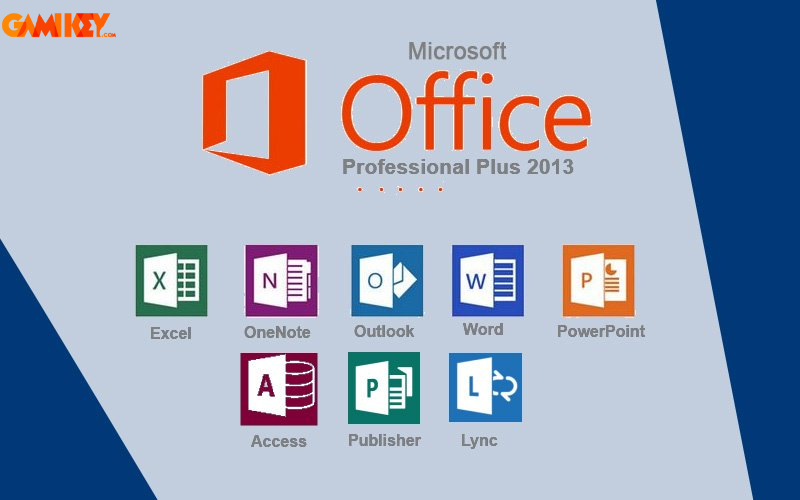
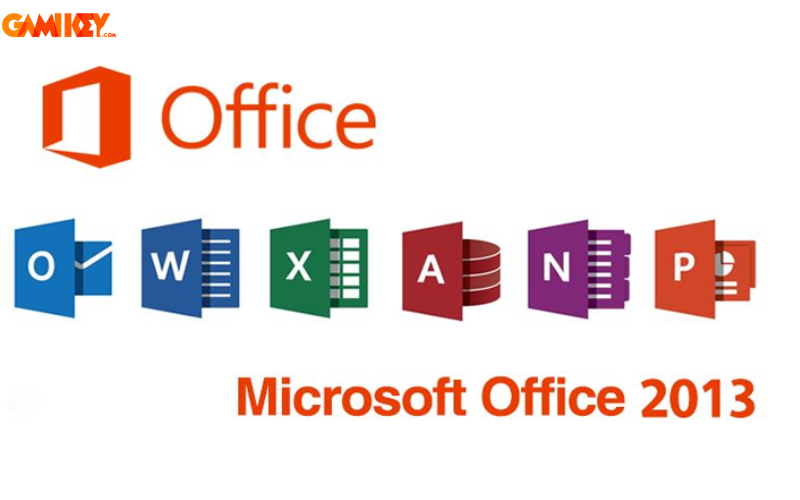
This suite encompasses a variety of essential applications such as Microsoft Word for document creation and editing, Excel for spreadsheet management and data analysis, PowerPoint for designing engaging presentations, Outlook for email and calendar organization, Access for database handling, and OneNote for efficient note-taking. These tools are designed to streamline tasks like drafting reports, performing complex calculations, building visual aids, managing communications, overseeing databases, and capturing ideas on the fly.
To fully activate and utilize all features, users often need to input a product key. For detailed guidance on this process, refer to resources on activating Office 2013.
Beyond its core components, Office 2013 introduced a shift towards cloud-based collaboration, allowing users to store and access files from anywhere with an internet connection. This was a pivotal move in the era of emerging mobile and remote work trends. For instance, integration with OneDrive enabled automatic syncing of documents, ensuring that changes made on one device were reflected across others seamlessly. This feature was particularly beneficial for teams working on shared projects, as it reduced the risk of version conflicts and facilitated real-time edits.
Moreover, Office 2013 emphasized a more intuitive user experience. The suite’s design drew inspiration from the Metro interface of Windows 8, featuring clean lines, minimalistic icons, and a focus on content over clutter. This aesthetic not only made the applications visually appealing but also improved navigation, especially for new users transitioning from older versions.
In terms of performance, Microsoft optimized Office 2013 to handle larger datasets and more complex operations without lagging, thanks to improved algorithms and better resource management. For example, Excel in this version could process formulas and charts more efficiently, which was a boon for data analysts and financial professionals dealing with extensive spreadsheets.
Historically, Office 2013 bridged the gap between traditional desktop software and the subscription-based model that would later dominate with Office 365. While it was available as a one-time purchase, it laid the groundwork for perpetual updates and cloud features that became standard in subsequent releases.
Evaluating the Strengths and Weaknesses of Office 2013
Key Advantages of Office 2013
- Enhanced Ribbon Interface
The Ribbon toolbar, first popularized in Office 2010, received substantial refinements in Office 2013. Icons were enlarged and made more visually intuitive, simplifying the process of locating and accessing tools. This upgrade reduced the learning curve for beginners and accelerated workflows for experienced users, making tasks like formatting documents or inserting charts feel more natural and efficient.
For example, in Word, the Ribbon now dynamically adjusted based on the context, showing relevant options when working with images or tables, which minimized menu diving and enhanced overall usability.
- Expanded File Format Compatibility
One of the standout features of Office 2013 is its robust support for various file formats, enabling seamless opening and editing of documents from competing software suites. This interoperability fosters better collaboration across different platforms, as users can import files without losing formatting or data integrity.
Imagine a scenario where a team member uses a non-Microsoft tool; with Office 2013, you can effortlessly incorporate their contributions into your workflow, promoting inclusivity in diverse work environments.
- Optimized for Touchscreen Devices
Recognizing the rise of tablets and hybrid devices, Office 2013 was built with touchscreen functionality in mind. Applications feature larger buttons and gesture-friendly controls, making it straightforward to navigate on touch-enabled screens without a mouse or keyboard.
This adaptation was particularly timely with the launch of Windows 8, allowing users to pinch-to-zoom in Excel or swipe through slides in PowerPoint, transforming how presentations and data manipulation occurred on the go.
Additionally, Office 2013 introduced features like ink-to-text conversion in OneNote, where handwritten notes could be digitized effortlessly, appealing to students and professionals who preferred stylus input.
Another advantage lies in its integration with social media and online services. Users could directly share documents to platforms like Facebook or embed YouTube videos into PowerPoint presentations, adding a layer of modernity to content creation.
Performance-wise, the suite’s faster startup times and smoother animations contributed to a more responsive experience, which was crucial for users handling multiple applications simultaneously.
Potential Drawbacks of Office 2013
- Some Features Lacking Full Optimization
Certain innovative tools in Office 2013 were not entirely polished upon release, leading to occasional glitches. For instance, the Smart Lookup function, intended for quick web searches within documents, sometimes returned irrelevant results or failed to load, frustrating users who relied on it for research.
These imperfections could disrupt productivity, especially in time-sensitive tasks, though Microsoft addressed many through subsequent updates.
- Higher Hardware Demands
Compared to predecessors, Office 2013 requires more robust system specifications, which might pose challenges for older hardware. Machines with limited RAM or processing power could experience slowdowns, particularly when running resource-intensive features like advanced charting in Excel.
This requirement encouraged users to upgrade their setups, but it alienated those with budget constraints or legacy systems.
- Limited Cloud Service Integration
While Office 2013 excels with Microsoft’s own SkyDrive (now OneDrive), it lacks native support for other popular cloud providers like Google Drive or Dropbox. This restriction could inconvenience users accustomed to multi-platform storage solutions, forcing them to use workarounds for file syncing.
Over time, this became less of an issue with third-party add-ons, but it highlighted an initial shortfall in flexibility.
Furthermore, the absence of automatic updates in the perpetual license model meant users had to manually install patches, potentially missing out on security enhancements if not vigilant.
Compatibility with older file formats, while present, sometimes resulted in minor formatting discrepancies, requiring extra effort to resolve.
Despite these drawbacks, many users found the benefits outweighed the limitations, especially as hardware evolved and Microsoft refined the software through service packs.
Essential Compatibility Features in Office 2013
Understanding compatibility is crucial for a smooth experience with Office 2013. Here are some vital aspects to consider:
- File Formats: Office 2013 excels in handling a wide array of file types, including those from other office suites. Its default formats are .docx for Word, .xlsx for Excel, and .pptx for PowerPoint, which offer better compression and recovery options. Importantly, it maintains backward compatibility, allowing users to open and modify older .doc, .xls, and .ppt files without conversion issues in most cases.
This flexibility is invaluable in mixed environments, such as businesses transitioning from legacy systems or collaborating with external partners using different software.
- Add-Ins and Extensions: While Office 2013 supports many add-ins, those designed for earlier versions might not function perfectly. It’s advisable to verify compatibility via Microsoft’s tools or developer documentation before installation to avoid disruptions.
For advanced users, custom add-ins can extend functionality, like integrating with CRM systems or automating repetitive tasks in Excel.
- Fonts and Typography: New fonts introduced in Office 2013, such as Calibri Light, may not be available in older Office installations. To ensure consistency, users can manually install these fonts on other machines or embed them in documents for portability.
This feature enhances document aesthetics, with options for better kerning and ligatures, making professional outputs look more polished.
Beyond these, Office 2013 supports macros and VBA scripting with improved security measures to prevent malicious code, balancing usability with protection. It also handles international languages and right-to-left text more effectively, catering to global audiences.
When sharing files, the suite’s PDF export capabilities were enhanced, allowing for high-fidelity conversions that preserve layouts and hyperlinks, which is essential for archival or distribution purposes.
In terms of hardware compatibility, Office 2013 works well with multi-monitor setups, allowing users to extend workspaces across screens for enhanced multitasking. It also integrates with peripherals like scanners and printers more reliably, streamlining document workflows.
For developers, the suite offers improved APIs for building custom solutions, such as automating report generation or integrating with web services, expanding its utility in enterprise settings.
Frequently Asked Questions About Office 2013
Device Support for Office 2013
Office 2013 is versatile across multiple platforms, including:
- Desktop computers running Windows 7, Windows 8, Windows Server 2008 R2, or Windows Server 2012.
- Tablets with Windows RT 8.1 for a mobile-friendly experience.
- Mac systems on OS X 10.8 or later, though with some feature limitations.
- Mobile versions via Office Mobile apps for iOS and Android devices.
- Specialized access through Office 365 for iPad users.
This broad compatibility ensured Office 2013 could adapt to various user needs, from office desktops to on-the-move productivity. For optimal performance, ensure your device meets the minimum specs, such as 1 GHz processor and 1 GB RAM for 32-bit versions.
In practice, users on Windows 8 devices benefited from touch gestures, while Mac users appreciated the familiar interface despite not having full parity with Windows features.
Available Editions of Office 2013
Office 2013 was offered in several editions to suit different requirements:
- Home & Student Edition: Includes Word, Excel, PowerPoint, and OneNote, ideal for personal and educational use.
- Professional Edition: Expands to include Outlook, Publisher, Access, plus the core apps, catering to business professionals needing advanced tools like database management and desktop publishing.
Other variants, such as Home & Business, added Outlook to the basic suite for small business owners. Each edition was available as a perpetual license, meaning a one-time purchase without ongoing fees, unlike the subscription model of later Office versions.
Choosing the right edition depended on specific needs; for example, educators might opt for Home & Student for its cost-effectiveness, while enterprises favored Professional for comprehensive features.
To conclude, this in-depth overview of Office 2013 highlights its role as a pivotal release in Microsoft’s ecosystem. From its innovative interface to robust tools, it set the stage for modern productivity software. If you have questions or need assistance with Office 2013, feel free to reach out. For those interested in upgrading to Microsoft 365 or exploring genuine licenses, stay tuned to buyaitools for the latest insights.
Explore related articles:
Discover Office 2016 Essentials
Insights into Office 2019
What is WPS Office? Usage Guide
Understanding MS Office
Delving deeper into the applications, let’s examine how Office 2013 enhanced specific tools. In Microsoft Word, users gained access to a new Read Mode that optimized documents for reading on tablets, removing distractions and allowing for easy navigation via swipes. This mode was perfect for reviewing long reports or e-books, with features like column layouts and object zooming.
Excel introduced Flash Fill, an intelligent feature that automatically detects patterns in data and fills in cells accordingly, saving hours on data entry tasks. For instance, if you have a list of full names and need to extract first names, Flash Fill recognizes the pattern after a few examples and completes the rest.
PowerPoint’s Presenter View was refined, providing speakers with notes, timers, and slide previews on a secondary screen, while the audience sees only the presentation. This professional touch elevated public speaking and training sessions.
Outlook’s Peeks feature allowed quick glances at calendars, tasks, and contacts without switching views, streamlining email management. Integration with social networks like LinkedIn enabled pulling in contact photos and updates automatically.
Access received better web app support, allowing databases to be published online for browser-based access, which was innovative for small teams needing shared data without complex setups.
OneNote’s radial menus and full-page view made organizing notebooks more intuitive, with options for tagging and searching handwritten notes.
Security in Office 2013 was bolstered with protected views for files from unknown sources, reducing malware risks, and improved encryption for sensitive documents.
For customization, users could personalize the Ribbon by adding frequently used commands, creating tailored toolbars that matched their workflow.
Collaboration features shone in co-authoring, where multiple users could edit the same document simultaneously via OneDrive, with changes tracked in real-time.
Comparing to predecessors, Office 2013 offered better performance on 64-bit systems, handling larger files and more complex operations. It also supported high-DPI displays for sharper visuals on modern monitors.
In educational contexts, Office 2013 facilitated interactive learning through tools like PowerPoint’s morph transitions (though limited) and Excel’s data visualization options, helping students analyze trends visually.
For businesses, the suite’s enterprise features, like Information Rights Management, protected intellectual property by controlling document access and editing permissions.
Tips for effective use include leveraging templates for quick starts, using keyboard shortcuts for speed, and exploring add-ins from the Office Store for specialized functions like grammar checkers or project management tools.
Installation best practices involve ensuring system compatibility, backing up data, and following Microsoft’s setup wizard to avoid common pitfalls.
Over the years, Office 2013 received several updates, including Service Pack 1, which fixed bugs and improved stability, extending its usability even as newer versions emerged.
Today, while Microsoft has shifted focus to subscription models, Office 2013 remains a viable option for those preferring perpetual licenses, especially in offline environments or with specific legacy needs.
In summary, Office 2013 represented a forward-thinking approach to productivity, blending desktop power with emerging cloud capabilities, and its legacy continues to influence current software designs.