

A meticulously crafted storefront showcase can captivate passersby, ignite curiosity, and powerfully drive purchasing intent. In today’s competitive retail landscape, investing in sophisticated window display strategies has become an indispensable element of brand marketing. This comprehensive guide delves deeply into the essence of window display, exploring its historical roots, undeniable advantages, essential implementation considerations, and innovative modern approaches that elevate retail experiences.
Understanding Window Display: Definition and Evolution
The concept of window display refers to the strategic arrangement of merchandise, props, lighting, and thematic elements in a store’s front-facing windows to create visually compelling narratives that draw in potential customers. This retail marketing technique transforms ordinary glass panes into dynamic canvases that communicate brand stories and highlight products in an engaging manner.
Historically, the practice traces its origins to late 18th-century London, where innovative merchants began utilizing street-facing windows to showcase goods rather than keeping them hidden inside. Pioneers like Francis Place, a prominent tailor, recognized the potential of these transparent spaces to entice pedestrians and differentiate their establishments from competitors. This early adoption marked the beginning of visual merchandising as a disciplined art form.
In contemporary retail, window display has evolved far beyond simple product placement. It now embodies a sophisticated blend of artistry, psychology, and marketing strategy. Leading brands refresh their displays seasonally or in alignment with new collections, ensuring continual novelty that encourages repeat foot traffic. An expertly executed window display serves as a silent salesperson, sparking emotional connections, building anticipation, and ultimately motivating visitors to enter the store and make purchases.
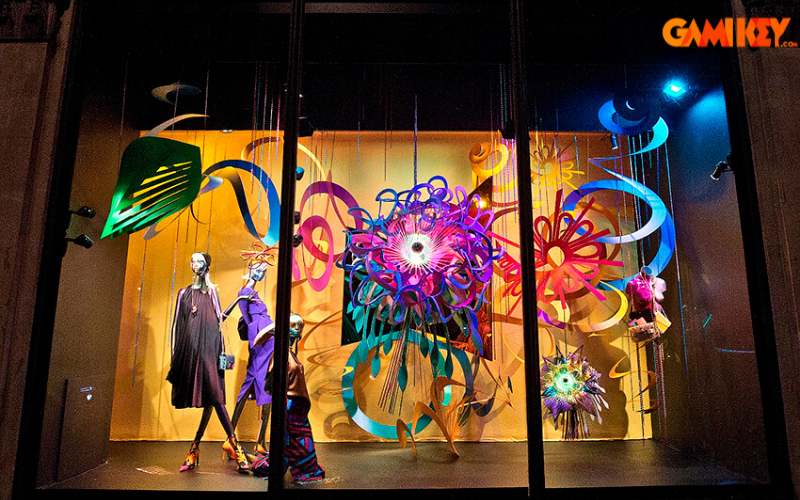
Psychological Impact on Consumer Behavior
Effective window display leverages principles of visual psychology to influence shopper decisions. Strategic use of color theory, focal points, and storytelling elements triggers emotional responses that transform casual observers into engaged customers. Research in retail psychology consistently demonstrates that well-designed displays can increase store entry rates by significant margins.
Role in Omnichannel Retail Strategies
In the digital age, window display bridges physical and online shopping experiences. Many brands incorporate QR codes, social media hashtags, or augmented reality features into their displays, creating seamless connections between in-store visuals and digital content that extend brand reach far beyond the storefront.
Key Advantages of Implementing Professional Window Displays
Investing in high-quality window display delivers measurable returns across multiple aspects of retail performance. The following benefits highlight why leading brands prioritize this visual marketing channel.
- Capturing Immediate Attention: In urban environments where pedestrians encounter countless stimuli, a striking window display acts as a visual magnet. Bold compositions, dramatic lighting, and unexpected elements compel people to pause, creating valuable opportunities for brand exposure.
- Establishing Powerful First Impressions: The storefront window represents the initial touchpoint between brand and consumer. A sophisticated display communicates professionalism, creativity, and attention to detail, shaping perceptions that influence long-term customer relationships.
- Enhancing Brand Recognition and Loyalty: Consistent thematic execution across window display campaigns reinforces brand identity. Unique visual signatures—whether minimalist elegance, playful whimsy, or luxurious opulence—help customers instantly recognize and emotionally connect with the brand.
- Communicating Promotions and New Arrivals: Windows provide prime real estate for highlighting limited-time offers, seasonal collections, or product launches. Clear, compelling messaging in these displays drives urgency and foot traffic more effectively than many traditional advertising methods.
- Cost-Effective Marketing Channel: Unlike paid media campaigns, window display utilizes existing storefront space to generate ongoing promotion. The primary investment lies in creative design and materials, offering exceptional return on investment through increased sales and brand visibility.
- Competitive Differentiation: In saturated markets, distinctive window display execution sets brands apart from competitors. Memorable installations become local landmarks and social media sharing opportunities, extending marketing reach organically.
- Data Collection Opportunities: Modern displays incorporating interactive elements enable retailers to gather valuable customer insights while creating engaging experiences that deepen brand connections.
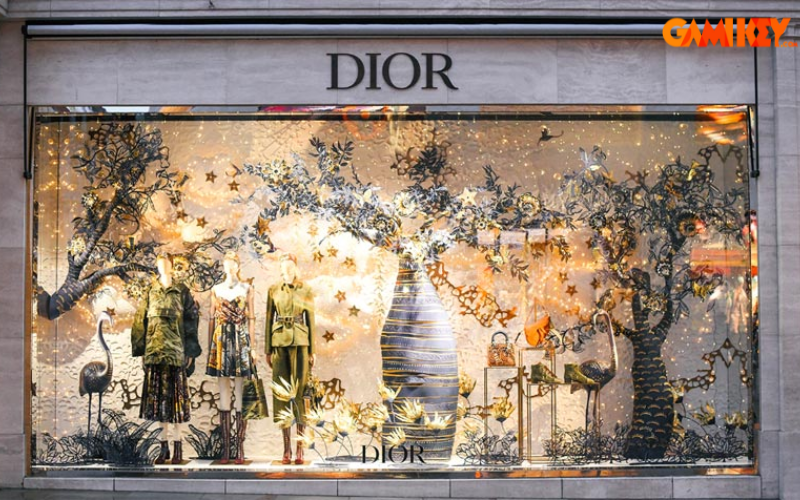
Measuring Return on Investment
Retailers track window display effectiveness through metrics including foot traffic increases, conversion rates, social media mentions featuring the display, and direct sales attribution to specific campaigns. Advanced analytics tools now enable precise measurement of visual merchandising impact.
Essential Considerations for Successful Window Display Implementation
Creating impactful window display requires careful planning and execution. The following guidelines ensure optimal results while avoiding common pitfalls.
- Achieving Visual Harmony: Balance remains crucial when combining products, props, signage, and lighting. Overcrowded compositions create visual chaos that repels rather than attracts viewers. Professional designers adhere to principles like the rule of thirds and negative space utilization for maximum impact.
- Maintaining Fresh Content: Regular updates prevent display fatigue among local customers. Successful brands plan seasonal calendars incorporating holidays, fashion cycles, cultural events, and product launches to keep windows dynamically relevant.
- Diversifying Creative Approaches: Variety in presentation styles—from minimalist product-focused arrangements to elaborate narrative scenes—keeps the brand experience exciting. Incorporating diverse themes, textures, and interactive elements sustains customer interest over time.
- Strategic Budget Allocation: Effective window display spans various investment levels. Creative resourcefulness allows smaller retailers to achieve stunning results, while larger brands may incorporate cutting-edge technologies like holographic projections or LED installations for unforgettable experiences.
- Lighting Mastery: Proper illumination transforms displays from ordinary to extraordinary. Layered lighting techniques highlight key products, create mood, and ensure visibility during both day and night hours.
- Accessibility and Safety Compliance: Displays must consider pedestrian flow, emergency access, and local regulations while maintaining aesthetic excellence.
- Sustainability Integration: Modern consumers increasingly value eco-conscious practices. Using recycled materials, energy-efficient lighting, and sustainable props enhances brand reputation while aligning with environmental responsibility.

Innovative Technologies Transforming Modern Displays
Contemporary window display increasingly incorporates digital elements including transparent LED screens, motion sensors triggering animations, and 3D holographic fans that create floating product illusions. These technologies deliver immersive experiences that captivate tech-savvy consumers and generate substantial social media buzz.
Seasonal and Thematic Planning Strategies
Successful retailers develop annual window display calendars aligning with major holidays, cultural moments, and brand milestones. Advance planning ensures cohesive storytelling throughout the year while allowing sufficient production time for complex installations.
Collaboration Between Creative Teams
Optimal results emerge from collaboration between visual merchandisers, marketing teams, product developers, and store operations personnel. This integrated approach ensures displays accurately reflect the brand vision while remaining practical for implementation and maintenance.
The strategic deployment of window display continues to prove its enduring value in retail marketing. By mastering these principles and embracing creative innovation, brands can transform their storefronts into powerful tools for attraction, engagement, and conversion that drive sustained business growth.