

In the digital age, streaming platforms have revolutionized entertainment, and few phrases capture modern social dynamics quite like Netflix and Chill. This expression has evolved from a simple description of leisure into a widely recognized euphemism with layered connotations. Understanding its true implications reveals much about contemporary culture, dating norms, and the influence of social media on language.
Defining Netflix and Chill
The platform Netflix, launched in 1997, began as a DVD rental service before pioneering on-demand video streaming worldwide. Today, it offers subscribers access to an extensive library of films, series, and exclusive originals for a recurring fee. Its global reach has made it a household name, particularly among younger audiences who value high-quality, convenient entertainment.
The word “chill,” derived from English slang, traditionally refers to coolness or relaxation. In recent years, however, it has taken on a broader, more casual meaning: unwinding, easing stress, and enjoying a laid-back atmosphere. This usage permeates music, conversations, and online interactions, symbolizing comfort and ease.
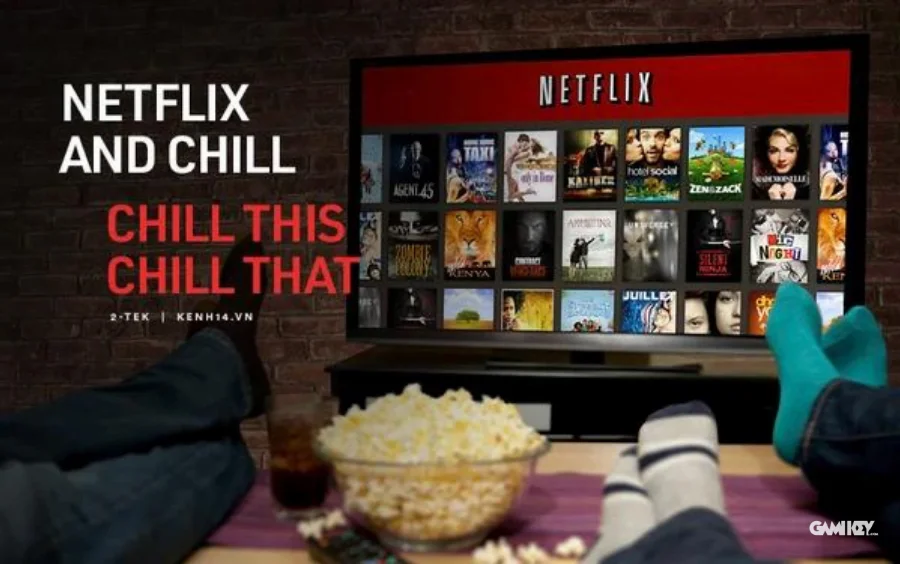
Discovering ultimate relaxation with friends in the comfort of home
When combined, Netflix and Chill transcends its literal interpretation of watching content while relaxing. In contemporary slang, it serves as a subtle invitation for intimate encounters. It implies inviting someone over under the pretense of viewing media, with the underlying expectation of physical closeness or sexual activity. This double meaning has cemented its place in pop culture as a clever, indirect way to express romantic or sensual interest.
The phrase’s appeal lies in its ambiguity—it allows plausible deniability. One can claim innocence if the invitation is declined, preserving social grace while signaling intent. This nuance makes it a staple in modern flirting, especially via text or social platforms where directness might feel awkward.
Origins of the Phrase Netflix and Chill
The earliest recorded use traces back to January 21, 2009, when a Twitter user known as NoFaceNina posted: “I’m about to log onto Netflix and chill for the rest of the night.” At that time, the statement aligned with the literal sense—simply streaming and unwinding alone.
Over the following years, as Netflix’s popularity surged and streaming became ubiquitous, the phrase gradually shifted. By the early 2010s, social media users began employing it ironically or euphemistically. The turning point came in 2015 when Urban Dictionary formalized its slang definition: a code for inviting someone over for sexual activities disguised as a casual viewing session.
This entry validated the evolving usage, reflecting how internet communities shape language organically. The phrase’s innocence eroded as memes, jokes, and shared experiences amplified its suggestive connotation across forums, tweets, and conversations.
Sociolinguistically, Netflix and Chill exemplifies how brand names enter everyday vernacular, similar to “Google” becoming a verb or “Xerox” for photocopying. Netflix’s dominance in streaming provided the perfect canvas for this cultural adaptation.
The Rise to Popularity of Netflix and Chill
By 2015–2016, Netflix and Chill exploded into mainstream awareness, particularly on Twitter in the United States. Searches for the term spiked dramatically, and it trended repeatedly as users shared memes and humorous interpretations.
Netflix itself acknowledged the phenomenon in a playful tweet: “Netflix and chill? No, really!” This corporate engagement fueled further virality, demonstrating how brands can lean into cultural moments without offense.
The phrase’s momentum inspired commercial adaptations. In 2016, a dating app called TikiTalk launched with a Netflix and Chill-themed interface, capitalizing on the trend to facilitate connections. Airbnb hosts created themed listings—cozy setups with large screens, dim lighting, and snacks—explicitly marketed for such occasions, attracting bookings from adventurous couples.

Exploring the intriguing layers behind the phrase Netflix and Chill
Major brands joined the fray. In 2020, ice cream manufacturer Ben & Jerry’s released a flavor named “Netflix & Chilll’d,” complete with peanut butter, pretzel swirls, and brownie pieces—perfect for thematic nights. Condom companies ran campaigns featuring the slogan, while apparel brands printed it on merchandise. Even late-night shows and comedians referenced it extensively.
The phrase spread internationally, adapting to local contexts. In Europe and Latin America, similar euphemisms emerged, but Netflix and Chill retained global recognition due to Netflix’s worldwide expansion. Its endurance highlights how internet slang can achieve longevity when tied to a dominant cultural product.
Memes played a crucial role in propagation. Variations like “Hulu and Commit” or “Disney+ and Thrust” parodied the original, extending the joke across competing platforms. This ecosystem of humor ensured the phrase remained relevant long after its initial surge.
Proper Usage of Netflix and Chill
Employing Netflix and Chill effectively requires context, consent, and mutual understanding. It functions best in established romantic or flirtatious relationships where both parties recognize the implication.
For instance, in a conversation:
English Example:
- A: What are you up to tonight?
- B: Want to come over for some Netflix and Chill?
Vietnamese Translation:
- A: Tối nay em định làm gì?
- B: Anh muốn sang nhà em Netflix and Chill không?
The invitation’s charm stems from its subtlety. It opens the door without pressure, allowing the recipient to interpret literally or figuratively. In consensual dynamics, it can heighten anticipation and build intimacy.
Preparation matters. Safe practices—emotional readiness, protection, and clear communication—enhance the experience. Modern dating emphasizes enthusiasm over assumption, so gauging interest beforehand prevents discomfort.
Why Netflix and Chill Should Not Be Used Casually
Despite its popularity, Netflix and Chill carries inherent sensitivity. Classified as potentially NSFW (not safe for work), it risks misinterpretation if deployed indiscriminately.

Enjoying a relaxed evening at home with Netflix
Using it with friends, colleagues, or strangers can lead to awkwardness or offense. The phrase assumes shared cultural knowledge and romantic intent; without these, it confuses or alienates. In professional or platonic settings, it may even border on inappropriate.
Cultural differences amplify risks. In some regions, direct sexual references remain taboo, making the euphemism jarring. Age gaps or varying familiarity with slang further complicate reception.
Responsible usage respects boundaries. If uncertainty exists, opting for explicit communication—”Want to watch a movie and see where it goes?”—avoids ambiguity while maintaining flirtation.
Cultural Impact and Legacy of Netflix and Chill
Beyond humor, Netflix and Chill reflects broader shifts in relationships. The rise of dating apps and digital communication has normalized indirect propositions. It encapsulates hookup culture’s blend of casualness and desire, where traditional courtship gives way to efficient, low-commitment signals.
Feminists and commentators have critiqued it for perpetuating assumptions about consent—implying sex as default rather than mutual decision. Others defend it as empowering when used consensually, allowing women equal agency in initiating intimacy.
Linguistically, it demonstrates slang’s rapid evolution via social media. Terms once niche explode globally within months, influenced by algorithms amplifying viral content. This democratization of language creation contrasts with historical top-down dictionaries.
In marketing, Netflix and Chill illustrates successful cultural co-optation. Brands borrowing internet memes gain relevance among youth, though risks exist if perceived as exploitative.
As streaming fragments—Disney+, HBO Max, Amazon Prime—the phrase’s specificity to Netflix may fade. Yet its framework persists: “[Platform] and [Activity]” templates continue spawning variants.
Ultimately, Netflix and Chill endures as a snapshot of 2010s–2020s youth culture: tech-savvy, irony-laden, sexually liberated yet navigating consent complexities. Its story—from innocent tweet to global euphemism—mirrors the internet’s transformative power on human interaction.
For those exploring streaming options or related topics, consider these resources:
- Understanding shared streaming accounts
- Comparing Hulu and Netflix features
- Disney+ versus Netflix content libraries
- Introduction to Netflix services
- Pricing details for Netflix subscriptions